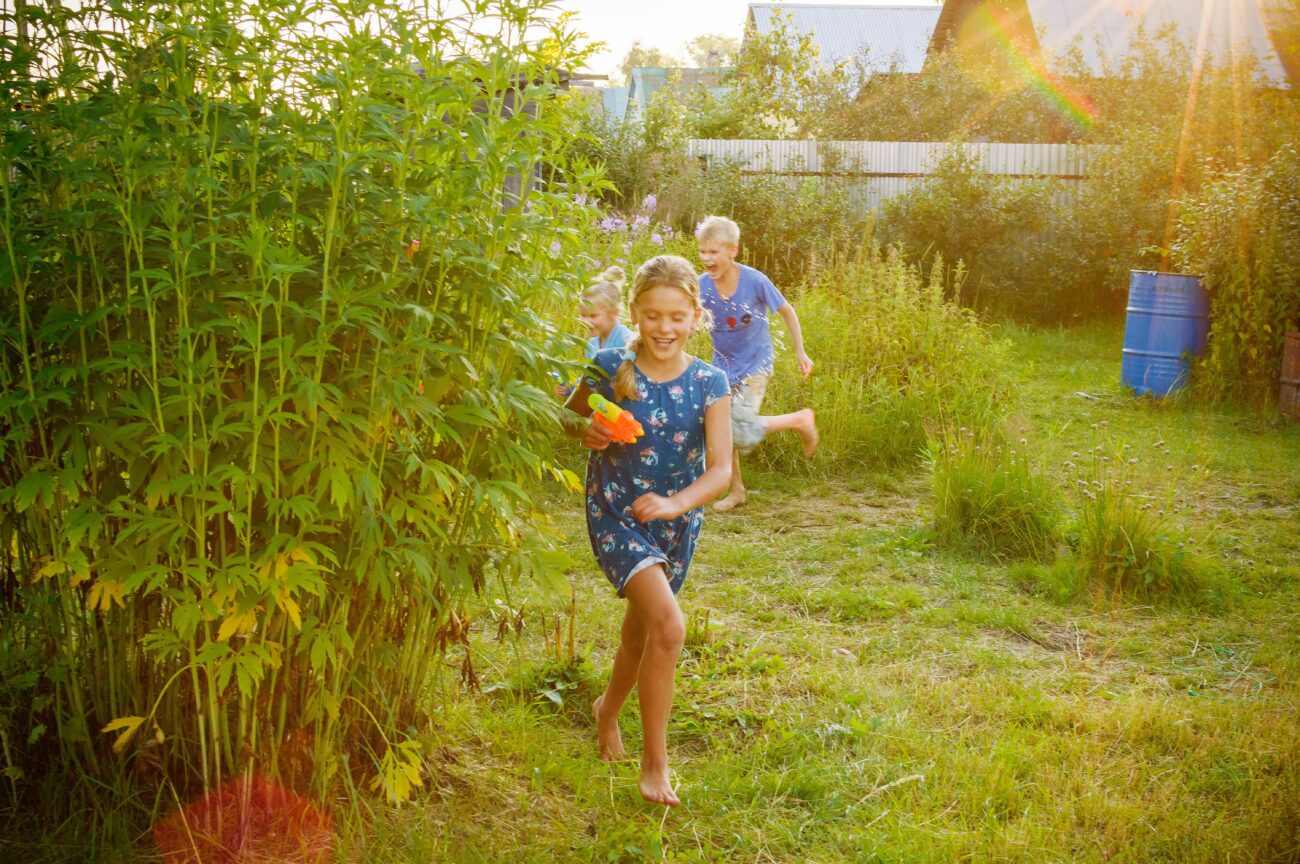
In a world filled with tablets, TV shows, and endless digital distractions, getting children to play outside can feel like a mission. Screens are bright, stimulating, and always often readily available but so is the great outdoors. There are numerous benefits of outdoor play for children, isn’t just fun; it’s essential for their physical, emotional, and cognitive development too.
If you’re looking for ways to help your child swap screen time for sunshine, fresh air, and real‑world adventures, then here’s why it matters and more importantly how you can make it happen without battles or bribery.
The Benefits of Outdoor Play for Children
1. It Boosts Physical Health
Running, climbing, jumping, balancing, digging, no matter what they are doing outdoor play naturally encourages movement. All this additional movement is vital for physical health as it helps children:
- Build strong muscles and bones
- Improve coordination and balance
- Burn energy in a healthy way
- Sleep better at night
Even 20–30 minutes of active outdoor play can make a noticeable difference in mood and behaviour.
2. It Supports Emotional Well‑Being
One of the most underrated benefits of outdoor play is that sature has a calming effect on both children and adults therefore outdoor play can help:
- Reduce stress and anxiety
- Improve emotional regulation
- Build confidence through exploration
- Encourage independence
There’s something magical about the freedom of open space it gives kids room to breathe, imagine, and reset. They can run around and just be free or even just sit under the shade of a tree and watch the insects go about their day, the fresh air will do them wonders.
3. It Sparks Creativity and Imagination
Outside, there are fewer rules, no levels to complete, no characters to unlock, no failure. Instead children can create their own stories and games, changing the rules as many times as they want and adpating the game to fit with their ever growing imaginations, the inclusion of new friends they meet and the environment they are in. A stick becomes a wand, a stone becomes treasure, a puddle becomes an ocean, the possibilities are endless and this kind of open‑ended play is vital for cognitive development and imagination, it also allows them to role play real life situations testing out theories and ideas in a safe and fun way.
4. It Encourages Social Skills
Whether they’re playing with siblings, friends, or new children at an adventure playground, outdoor play teaches:
- Sharing
- Cooperation
- Problem‑solving
- Negotiation
- Turn‑taking
These skills develop naturally when kids are given space to interact freely.
5. Outdoor Play Builds a Lifelong Connection With Nature
The last but not least of the benefits of outdoor play is that children who spend time outdoors grow up with a deeper appreciation for the environment. They learn to notice the seasons, care for living things, and feel connected to the world around them. If you have a garden space then why not try and encourage more wildlife into your garden for your children to observe and enjoy.
Practical Ways to Encourage Outdoor Play
1. Make Going Outside Part of the Daily Routine
Children thrive on routine so introduce regular outside time. Start small and don’t make a big thing about the fact they need to put the screens away to do this or they will resent it before they have even started. Try incorporating things like
- A morning walk
- Walking to and from school or the local shop if possible
- An after‑school park visit once or twice a week on set days
- A pre‑dinner “fresh air break” in the garden whilst you’re cooking
When outdoor time becomes expected, it stops feeling like a chore. It can alsohelp if these times are fun so try introducing things like simple games such as
- Eye-Spy
- First to spot a certain item/coloured car/creature etc
- Don’t stand on the cracks
- The yes no game
- Find numbers in order 1,2,3 etc but they can’t be together so 1 on a door 2 on a number plate 3 on a speed sign etc.
2. Create an Inviting Outdoor Play Space
You don’t need a huge garden to make outside play a viable or fun option you just need a space that is safe and inviting. Even small touches will help massively.
Start by making sure they know they can play in that area, if they can’t run free in the whole garden because you only have a small garden or a well maintained larger garden full of growing veg or expensive plants give them a section that is just for them where they can get creative, jump around and not be worried about making a mess or ruining the grass.
Give them some toys that are specifically for outside play. These don’t have to be expensive they can be things like
- Chalk for the walls or floor
- A bucket of water and paintbrush for the fences
- A sand, water or mud area
- A few outdoor toys like a skipping rope, we love this Silicone Bear Skipping Rope from JoJo Mama Bebe.

If the space feels fun, kids naturally gravitate toward it.
3. Bring Their Interests Outdoors
If you’re child is reluctant to try new things because everything is “boring” then bring their interests outside, even if this means recreating some of their favourite TV shows or computer games.
If your child loves:
- Cars – ask them to build outdoor ramps or road maps
- Dinosaurs – set up a “dino dig” in a sand pit. No sand? Use flour!
- Art – take paints or crayons outside
- Photography – give them a kid‑friendly camera to capture nature
- Action Games – make them the main character with something like the Air Storm Zano Bow

Linking outdoor play to their passions makes the transition easier. If they are still reluctant then you could let them bring their tablet outside so they can copy of it whilst they build something first and soon they will find their imagination kicks in and they don’t need to screen for inspo anymore.
4. Make Outdoor Play an Adventure
Kids love a mission or a goal. Going for a walk just because is boring but if they have something to do it can suddenly become exciting, try these
- Nature scavenger hunts
- Bug spotting
- Cloud‑shape guessing
- Leaf collecting
- “Find something that starts with…” games
Simple prompts turn ordinary outdoor time into something exciting.
Better yet grab some video Walkie-Talkies from Creator and go on a secret mission, either in the garden or at your local park. Give each other code names and mini challenges to complete without getting caught whilst still being able to keep an eye on them via the video channel. It’s the perfect mix of technology and outside play that is sure to spark their imagination.

5. Lead by Example
Children copy what they see, they also love to be by your side, especially if they think you’re having fun or relaxing without them them. Try making some of these things part of your own routine and watch as they follow you
- Sit outside with a cup of tea
- Read a book in the garden
- Go for a walk
- Challenge yourself with mountain climbs
- Join in their outdoor games
7. Invite Friends
Outdoor play becomes instantly more appealing when other children are involved. A simple playdate at the park or beach can turn into hours of imaginative fun or if you can let them invite a friend over to the house with the view of playing in a paddling pool or building a den so they already know to expect to be outside.
If they are a little bit older and the though of swings and slides doesn’t do it for them anymore then try introducing something like the Zooperball, a long distance super bounce and throw ball that makes screaming whistle as it fly’s though the air. It can travel up to 200ft so there’s no arguing that this definitely requires a trip to some large open outdoor space! And with all the running back and forth to retrieve it or challenging their mates to see who can throw it the furthest they will be sure to be getting lots of exercise too.

8. Celebrate Outdoor Achievements
Kids love recognition. Praise them for:
- Trying something new
- Climbing higher
- Running faster
- Exploring bravely
- Building or making something with things they’ve found
Positive reinforcement builds motivation and they will soon want to beat their own personal bests too.
Outdoor play isn’t just a nice extra, it’s a vital part of childhood. It helps little ones grow stronger, think more creatively, feel calmer, and connect with the world around them. And while screens will always be part of modern life, finding a healthy balance is absolutely possible.
With a few simple strategies, you can gently guide your child away from the TV and into the fresh air, where the best kind of learning and play happens naturally and they will reap the rewards of all the above benefits of outdoor play without even knowing it.