When her son’s chronic illness tested everything she knew about strength and resilience, author Jasbirr Grover discovered that creativity and faith can heal faster than fear.
The Year When Life Changed
During the Covid lockdowns, our home in India became both a sanctuary and a storm. I lost my speaking voice to vocal-cord nodules—the same year my younger son was diagnosed with juvenile arthritis. He had been a lively cricket player, the kind of child who filled every corner with laughter. Each morning, the kids in our housing society would shout his name, urging him to come play. And each time, I’d watch him fight back tears as he replied softly, “I can’t come.”
The pain wasn’t only physical—it was emotional. His knees were swollen, his movements limited, and some days we had to email the school saying he couldn’t attend. What could a child do, sitting at home, watching the world move on without him?
Focusing on Healing, Not Pity
In those moments, I leaned on a lesson from Louise Hay: focus on what you want, not on what you fear. Instead of accepting sympathy from people who said, “Oh, poor child,” I chose to channel hope. Every night, I envisioned him smiling, walking, creating again. I learned that healing isn’t only medical—it’s mental. Louise Hay’s own recovery from cancer reminded me that belief shapes biology. I began affirming daily, “Healing is possible,” and encouraged my son to do the same. Slowly, I watched hope replace helplessness.
Turning Pain into Purpose
To help us both process the uncertainty, I turned to doodling and writing—my lifelong anchors. I was then working on my book Know Your Unique Self, exploring resilience and emotional strength. To involve him, I’d hand him sheets to colour or outline. Some lines were uneven, some crumbled, and he’d sigh, “Mum, I can’t do this properly.”
I’d tell him, “That’s exactly why it’s beautiful. It shows you’re trying.”
Those imperfect doodles became part of the finished book. I refused to let a publisher “fix” them; their authenticity told our story. Hand-crafted during lockdown, Know Your Unique Self was later featured at the Global Literature Festival and became a bestseller. That experience revealed something profound—creativity doesn’t just help you heal; it helps you heal faster. When your hands are busy creating, your heart and body are already recovering.
When Creativity Turned into Confidence
As I lost my voice, my son found his. He began helping me post reflections and artwork online, learning design, editing, and social-media skills that quickly evolved into something greater. Curious about websites, he taught himself web development through online tutorials. Within months, he started getting paid gigs as a teenager—building websites for small businesses, community groups, and creative professionals. Each project strengthened his confidence and independence. He also volunteered to design posters for community organisations such as Sikh Youth UK and accompanied me to events and award ceremonies. At one such event—the “Nightingale of India” Awards—he filmed and edited a short presentation that moved everyone in the room. That was his first taste of storytelling through visuals, and it planted a lasting seed. Through these experiences, he not only gained skills but also developed faith, creativity, and connection—meeting people from all walks of life and learning how to communicate with kindness, confidence, and curiosity. Those interactions shaped his sense of identity and belonging just as much as his creative work did.
Anchored in Faith
Through it all, faith was our anchor. Every morning we visited the Gurudwara, listening to the soothing rhythm of Gurbani. That daily practice of prayer, seva, and gratitude became our emotional reset. Even during flare-ups, he volunteered for early-morning food distribution with the Sikh community. Those acts of service taught him compassion and courage—lessons no textbook could match.
Healing in the Aroma of Masalas
When we moved to the UK, one of the biggest challenges was adjusting to a new lifestyle, the colder weather, and missing the comfort of authentic Indian food. I started asking for his help in preparing our traditional meals, and soon cooking became another form of healing for him. Those first few months were especially testing. Despite his severe pain, we weren’t prepared for the long NHS waiting times, and it took nearly three months before his first appointment. As a mother, watching him suffer was heartbreaking—yet what amazed me was how he handled it. Instead of breaking down, he leaned into the practices that had once helped us in India—talking to the universe, focusing on gratitude, and trusting that his body was capable of healing. That quiet faith and belief in divine timing helped him endure the waiting and stay hopeful. Cooking together became our therapy. It gave him a sense of control, creativity, and contribution. He learned to experiment with flavours, prepare family dinners, and eventually cook for larger gatherings. Over time, his chai became legendary among friends and guests—a small ritual of warmth and pride that reconnected him with his roots. Cooking taught him patience and mindfulness, just like film and art did. It became another reminder that healing doesn’t always happen in therapy rooms—sometimes, it happens in kitchens filled with laughter, music, and the aroma of masalas.
From Living Room To The Big Screens
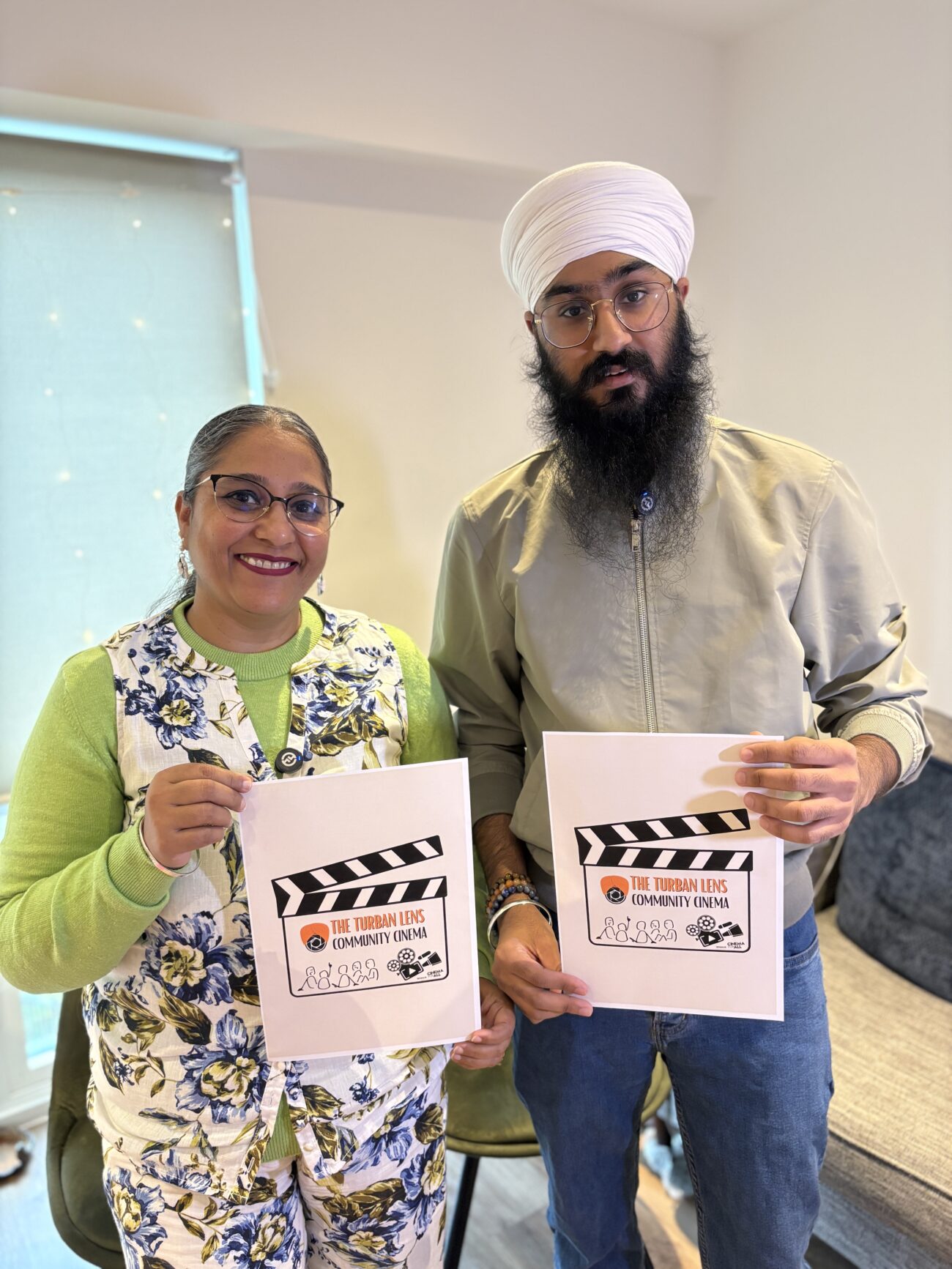
When online schooling began, he recorded my virtual teaching sessions and student testimonials, discovering an interest in film. When we later moved to Sheffield for my Master’s in Creative Writing, he attended my lectures, read my drafts, and gave feedback like a creative partner. I made him part of my process—discussing ideas with him, letting him sit in my one-to-one tutorials, and involving him in story analysis and script discussions. That exposure to the world of creative writing gave him a strong sense of belonging and purpose. Out of those shared experiences came Mistaken Identity—his debut short film, a film-poem based on a true experience of discrimination. The film went on to win Best Debut Filmmaker and Best Film on Religion at the London Indie Film Festival (monthly season) and was featured on BBC Radio Yorkshire. It was made on a zero budget with first-time young artists—pure heart, no funding. Since then, he’s grown further—working as a cinematographer on NFTS × Disney’s Chronic, volunteering at Doc/Fest, and being awarded the BAFTA Prince William Bursary. Together, we’ve now achieved another milestone: the formation of The Turban Tales Community Cinema in South Yorkshire, a mother-and-son initiative dedicated to celebrating culture, creativity, and community through film.
Five Lessons We Learned on This Journey
1. Mindset is the fastest medicine.
The mind can heal what medicine alone cannot. We learned that the way we think shapes the way we heal. When we choose faith over fear and possibility over pity, the body begins to follow. After all, how else do people without limbs climb mountains? The human spirit is stronger than any limitation.
2. Creativity transforms pain into purpose
Through doodling, writing, and later filmmaking, we learned that creating something—anything—helps emotions move and heal.
3. Empowerment grows from contribution.
When my son began designing posters, building websites, and volunteering, he rediscovered his worth—not as a patient, but as a creator.
4. Faith and service anchor resilience.
Our daily prayers at the Gurudwara and seva work reminded us that strength doesn’t come from control, but from surrender.
5. Healing is found in everyday acts.
Sometimes, healing hides in ordinary moments—in shared laughter, in stories told through the camera lens, and in the aroma of masalas drifting through the kitchen.
This journey taught me that parenting in uncertainty isn’t about shielding children from pain. It’s about equipping them with faith, creativity, and courage to transform that pain into purpose. And above all, I’ve learned that creativity, service, and faith don’t just help you heal—they help you heal faster and live better. Because when your hands are busy creating, your heart and body are already recovering. That same philosophy shaped the creation of my poetry collection Reflection of Life—my Amazon #1 bestseller described by The Table Read as “a poetic journey of healing and resilience.” Written as part of my Master’s in Creative Writing at Sheffield Hallam University, it became a deeply collaborative project that my son Jagraj helped bring to life—from formatting and visual layout to publication. The book isn’t just about one story; it’s about the many I’ve lived—as a woman, a mother, a teacher, a creative, and a seeker—learning how to find grace in challenges and meaning in every chapter.
Read Reflection of Life on Amazon – https://amzn.eu/d/hMZC0Hu
Jasbirr Grover and her son Jagraj — the creative duo behind The Turban Tales Community Cinema, South Yorkshire.
This journey taught me that parenting in uncertainty isn’t about shielding children from pain. It’s about equipping them with faith, creativity, and courage to transform that pain into purpose.
And above all, I’ve learned that creativity, service, and faith don’t just help you heal—they help you heal faster and live better. Because when your hands are busy creating, your heart and body are already recovering.
That same philosophy shaped the creation of my poetry collection Reflection of Life—my Amazon #1 bestseller described by The Table Read as “a poetic journey of healing and resilience.” Written as part of my Master’s in Creative Writing at Sheffield Hallam University, it became a deeply collaborative project that my son Jagraj helped bring to life—from formatting and visual layout to publication. The book isn’t just about one story; it’s about the many I’ve lived—as a woman, a mother, a teacher, a creative, and a seeker—learning how to find grace in challenges and meaning in every chapter.
About the Author
Jasbirr Grover and her son Jagraj — the creative duo behind The Turban Tales Community Cinema, South Yorkshire.